

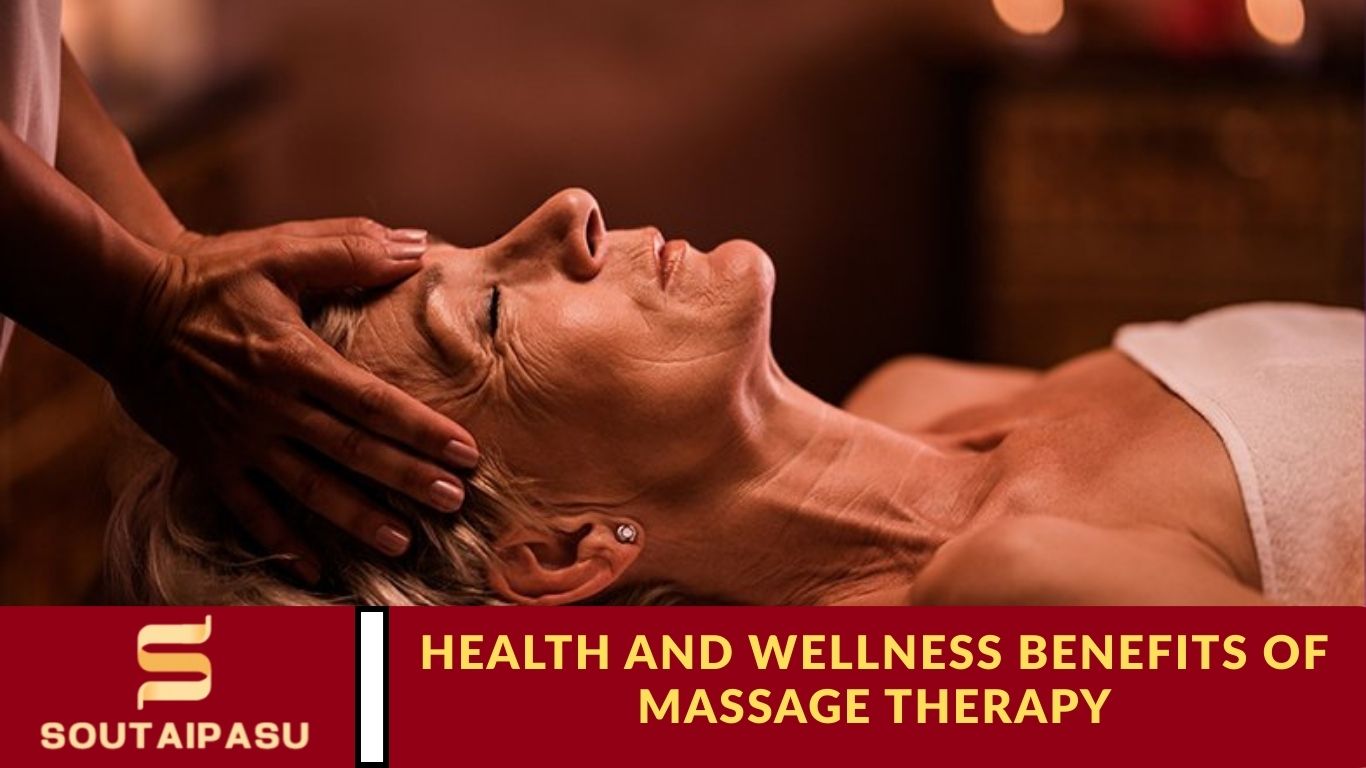
Massage therapy provides a comprehensive range of benefits for individuals seeking to enhance both their physical health and mental well-being. The advantages may differ based on the massage type, applied techniques, and each person’s specific health needs. Below is an overview of the most recognized benefits of massage therapy.
Physical Benefits
Relieves Muscle Tension and Pain
Massage therapy eases muscle tightness and discomfort by improving blood flow, aiding in the reduction of inflammation, promoting healing, and facilitating faster recovery.
Boosts Circulation
Massage increases blood flow, improving oxygen and nutrient delivery and supporting cardiovascular health.
Enhances Flexibility and Range of Motion
By working on muscles, ligaments, and connective tissues, massage enhances flexibility and lowers the risk of injury.
Supports the Lymphatic System
Massage stimulates the lymphatic system, which plays a vital role in detoxification and immune defense. Improved lymph flow helps the body eliminate toxins and strengthens immune function.
Helps Regulate Blood Pressure
Consistent massage sessions have been shown to lower blood pressure, reducing strain on the heart and decreasing the long-term risk of cardiovascular disease and stroke.
Mental and Emotional Benefits
Reduces Stress and Promotes Relaxation
Massage therapy is widely recognized for its ability to lower stress levels. Calming the nervous system and relaxing the body enhances overall well-being and creates a sense of balance.
Improves Sleep Quality
Through deep relaxation and relief from tension, massage can improve sleep, benefiting those with insomnia.
Enhances Mental Focus and Clarity
The calming effects of massage reduce stress and help sharpen focus and productivity.
Alleviates Anxiety and Depression
Massage helps lower cortisol levels and boost serotonin and dopamine, thereby reducing anxiety and supporting emotional well-being.
Specialized Benefits
Additional Specialized Benefits of Massage Therapy
The benefits of massage can vary depending on the type and techniques applied. For instance, sports massage is highly effective for athletes, helping speed up recovery after intense workouts and reducing the risk of injuries. Similarly, prenatal massage provides relief from common pregnancy discomforts such as back pain, muscle tension, and swelling.
Important Considerations
While massage therapy offers a wide range of health benefits, it should not be considered a replacement for professional medical treatment. Individuals with existing health conditions or chronic pain are advised to consult a qualified healthcare provider before beginning massage therapy to ensure it is safe and suitable for their specific needs.
Which Massage Styles Are Best?
After considering the numerous benefits, selecting the right massage style is crucial for achieving your goals. After exploring the benefits and considerations, the next step is understanding how to choose the most suitable massage style for your needs.
Massage therapy comes in many different styles, each offering unique benefits. Some focus on long, flowing strokes for deep relaxation, while others use short, percussive movements to target muscle tension. Certain therapists incorporate oils or lotions, while others prefer a dry technique. Sessions can also vary in length, lasting anywhere from just a few minutes to a full two hours.
Before selecting a massage style, it’s important to first define your goal as a client. Are you seeking relaxation and stress relief, or do you need targeted treatment for a specific symptom or health condition? Communicating your needs with your therapist is essential. Many practitioners are trained in multiple styles and can tailor the session to your age, health status, or personal wellness goals.
Frequently Asked Questions
What are the main health benefits of massage therapy?
Massage therapy improves circulation, reduces muscle tension, eases pain, supports flexibility, promotes relaxation, and enhances sleep quality.
Can massage therapy help with stress relief?
Yes, massage lowers cortisol levels, relaxes the nervous system, and promotes feelings of calm, making it highly effective for reducing stress.
Does massage therapy improve sleep quality?
Massage promotes relaxation, eases muscle tension, and balances hormones, which can improve sleep patterns and reduce insomnia.
How does massage therapy boost circulation?
By manipulating soft tissues, massage increases blood flow, delivering oxygen and nutrients to cells and supporting faster healing.
Can massage therapy support mental health?
Yes, studies show massage increases serotonin and dopamine levels while lowering stress hormones, helping reduce anxiety and depression.
Is massage therapy good for athletes?
Sports massage helps athletes recover faster, reduces muscle soreness, prevents injuries, and enhances overall performance.
Can massage therapy help lower blood pressure?
Regular massage sessions have been shown to reduce blood pressure, supporting heart health and lowering the risk of cardiovascular disease.
Conclusion
Massage therapy offers more than just simple relaxation it plays a vital role in supporting the physical health and emotional well-being of those who utilize it. From reducing stress and improving circulation to enhancing flexibility, boosting immunity, and promoting better sleep, the benefits are wide-ranging and scientifically supported. Whether you seek relief from pain, recovery from physical strain, or a natural way to enhance mental clarity, massage therapy can be tailored to meet your specific needs.