

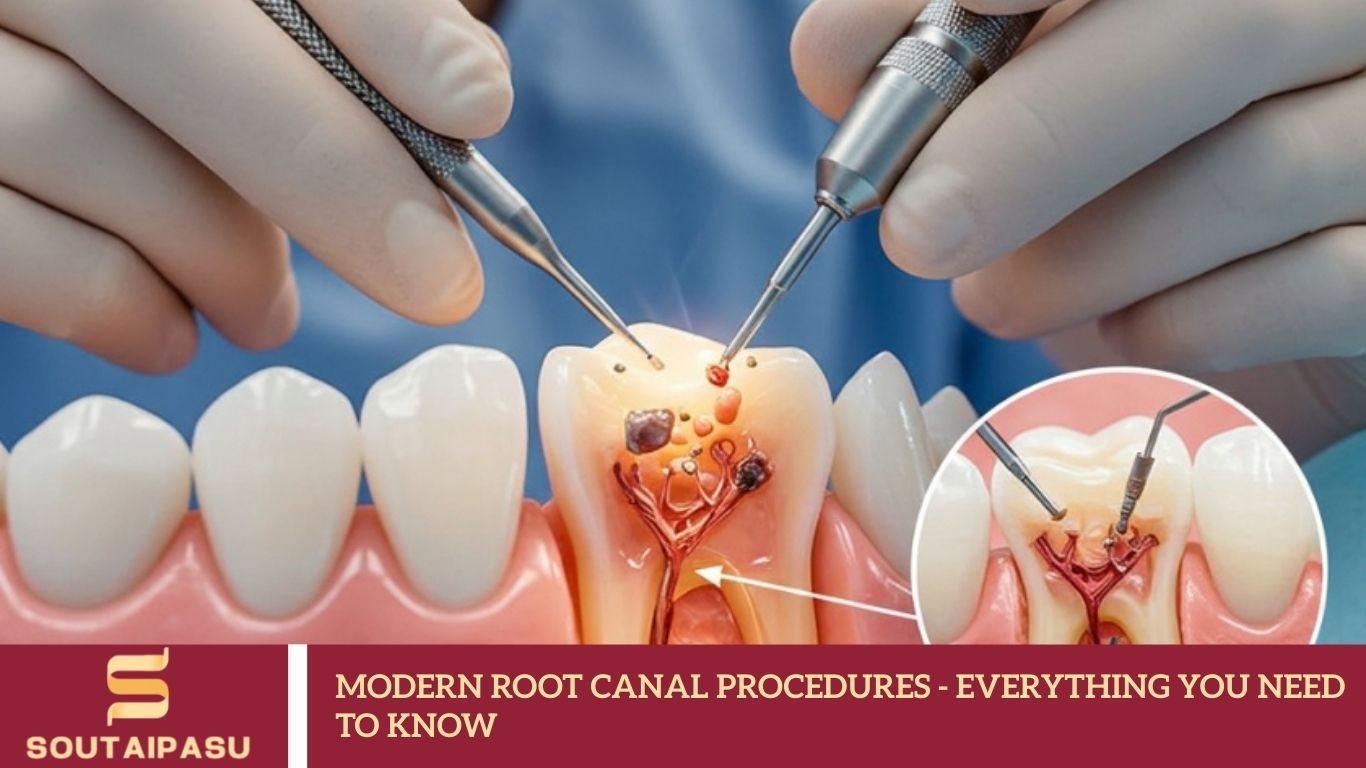
For decades, root canal therapy has carried a reputation for being one of the most painful dental procedures. However, thanks to remarkable advancements in modern dentistry, this perception is outdated. Today’s root canal treatments are far more comfortable than most people expect often no more unpleasant than receiving a standard filling.
The question “Are root canals painful?” is still asked frequently because older techniques and lingering myths shape public perception. In reality, modern endodontics has transformed the experience, making it efficient, precise, and virtually pain-free.
Why Root Canals Are Needed
Root canal treatment becomes necessary when the tooth pulp the soft inner tissue becomes inflamed or infected. This can happen due to:
- Deep tooth decay
- Repeated dental procedures on the same tooth
- Cracks or fractures
- Trauma or injury
Common warning signs include:
- Lingering sensitivity to hot or cold
- Pain when biting or chewing
- Swelling or tenderness near the gums
- Pimple-like bumps on the gum line
- Tooth discoloration or darkening
How Modern Dentistry Has Improved Root Canal Therapy
The discomfort patients associate with root canals typically comes from infection-related pain before treatment, not the procedure itself. Modern tools and techniques have dramatically improved patient outcomes.
Some of the most impactful advancements include:
- Digital X-rays & pulp vitality tests for early, accurate diagnosis
- Rotary instruments and lasers for faster, more precise cleaning
- Intraoral cameras and cone-beam CT scans for improved visualization
- Minimized treatment sessions and shorter recovery times
Patient Comfort Comes First
Fear of dental procedures is common, but dentistry has made great strides in ensuring comfort at every step. Before treatment begins, local anesthetics completely numb the tooth and surrounding tissues. For those with dental anxiety, options such as nitrous oxide, oral sedatives, IV sedation, or even general anesthesia are available.
Equally important is communication. Dental teams now prioritize clear explanations, walking patients through each stage of the process. This approach reduces uncertainty, eases anxiety, and helps patients feel more in control. Surveys consistently show that many patients find root canal treatment today no more uncomfortable than a routine filling.
Early Detection Is Key
Recognizing symptoms early can make a huge difference in treatment success and comfort. According to Healthline, some of the most common signs of pulp damage include:
- Severe or persistent tooth sensitivity
- Pain when applying pressure
- Gum swelling or abscesses
- Tooth discoloration
Tips to Prevent the Need for Root Canals
While root canals are safe and effective, prevention remains best. Maintain good oral hygiene by brushing twice daily with fluoride toothpaste, flossing daily, scheduling regular dental visits, limiting sugary foods and acidic beverages, and wearing a mouthguard during sports.
- Brushing with fluoride toothpaste at least twice daily
- Flossing daily to remove plaque between teeth
- Scheduling routine dental exams and cleanings
- Wearing a custom mouthguard during sports
- Limiting sugary foods and acidic beverages
Benefits of Modern Root Canal Treatment
- Root canal therapy not only relieves pain but also provides long-term dental health benefits.
- Saves the natural tooth and avoids extraction.
- Restores normal biting and chewing function.
- Prevents infection from spreading to surrounding teeth and gums.
- Improves appearance by eliminating discoloration and restoring the tooth with a crown.
- Protects long-term oral health by preserving natural tooth alignment.
Preventing the Need for Root Canals
Consistent oral hygiene reduces the risk of infection and decay, helping prevent the need for root canals.
Effective prevention strategies include brushing twice daily with fluoride toothpaste.
- Floss every day to remove plaque between teeth.
- Limit sugary snacks and acidic drinks.
- Wear a custom mouthguard during sports.
- Attend regular dental checkups and professional cleanings.
Frequently Asked Questions
Are modern root canal procedures painful?
Modern root canal treatments are not painful. With advanced local anesthetics and sedation options, most patients describe the process as similar to receiving a standard dental filling.
How long does a root canal procedure take?
A modern root canal typically takes 30 to 90 minutes, depending on the complexity of the case. In many instances, the procedure can be completed in a single visit.
How many visits are required for a root canal today?
Many patients only need one appointment, though some cases with severe infection or complex anatomy may require two visits.
How successful are modern root canal treatments?
Root canal therapy has a success rate of over 90%, especially when followed by proper restoration (such as a crown) and good oral hygiene practices.
What technology is used in modern root canals?
Dentists use digital X-rays, rotary instruments, cone-beam CT scans, intraoral cameras, and advanced anesthetics to make the procedure more precise, efficient, and comfortable.
What is the recovery time after a root canal?
Most patients recover within a few days, experiencing only mild soreness or sensitivity that can be managed with over-the-counter pain relievers.
Conclusion
Modern root canal procedures have transformed what was once feared into a safe, comfortable, and highly effective dental treatment. With the use of advanced technology, precise techniques, and improved anesthesia, patients can now expect faster recovery, minimal discomfort, and long-lasting results.
Understanding the process, benefits, and aftercare of a root canal can help ease anxiety and encourage timely treatment. If you are experiencing tooth pain or signs of infection, consulting with your dentist promptly ensures the best possible outcome.