

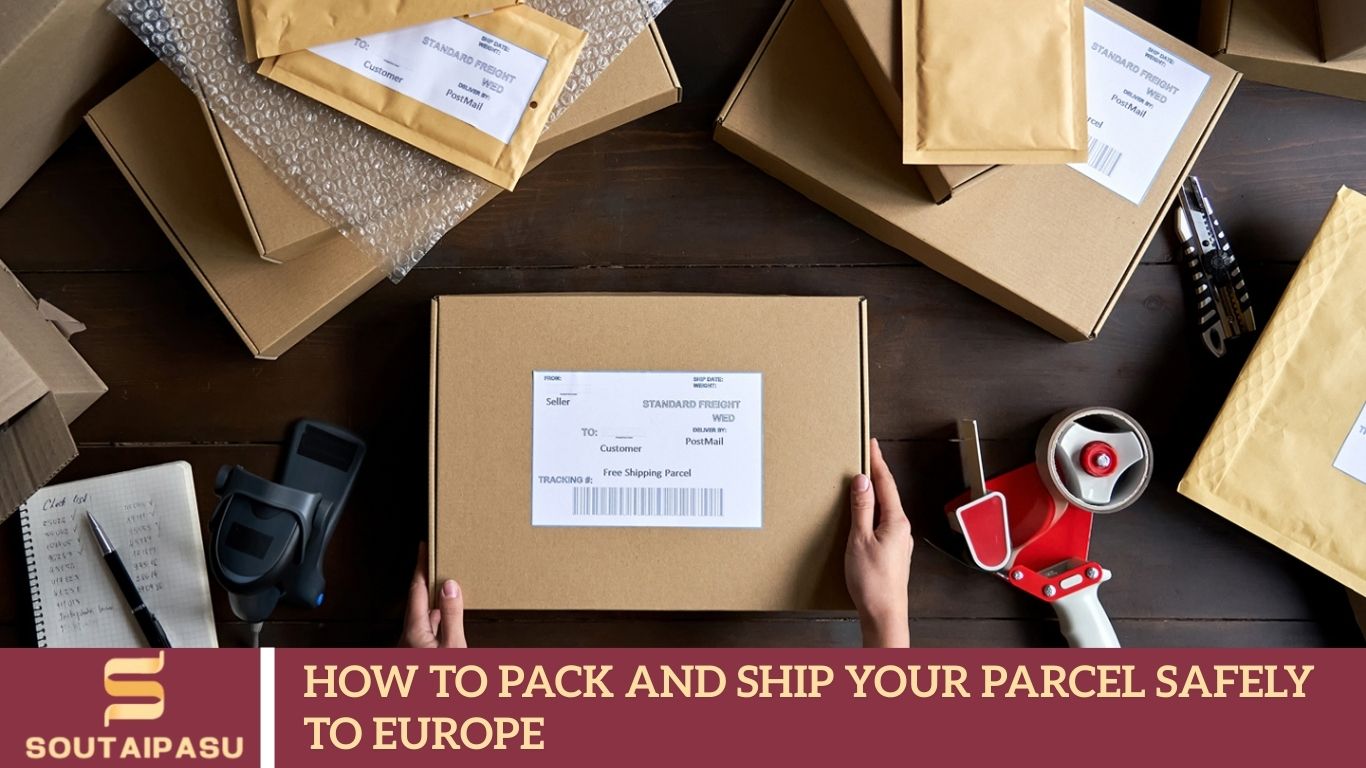
Shipping a parcel internationally requires careful planning to ensure it arrives safely and on time. When sending shipments to Europe, following specific guidelines can prevent delays, damages, or returns. Meest-America provides clear instructions for Europe-bound parcels, making it easier for you to ensure a smooth delivery experience.
Choose the Right Packaging
The first step in preparing your parcel is selecting suitable packaging. Use a sturdy box that fits your items properly and is free from soutaipasu previous labels. Oversized boxes can allow items to shift, increasing the risk of damage during transit. Meest-America recommends using strong materials that maintain their shape and protect contents from pressure. Durable packaging reduces the risk of crushing and keeps your parcel intact throughout its journey to Europe.
Protect Items Inside the Parcel
Proper internal protection is essential, especially for fragile items. Use cushioning materials like bubble wrap, air pillows, or foam inserts to absorb shocks. Ensure items fit snugly to prevent movement during handling. Place heavier items at the bottom and lighter ones on top, and provide consistent padding on all sides.
Before sealing your parcel, follow these key steps:
- Apply strong packing tape to all seams.
- Reinforce corners and edges.
- Add extra tape in areas with concentrated weight.
- Gently shake the parcel to confirm items are secure.
Understand Customs Requirements
All international parcels must comply with customs regulations. Accurate documentation is essential for smooth processing. Clearly declare every item in your parcel with specific descriptions. Incomplete or vague information can lead to delays, inspections, or even rejection.
Provide details about the type, quantity, and purpose of each item to help customs officers verify the legality and safety of your shipment. Properly prepared paperwork reduces the risk of additional questions and ensures faster delivery to Europe.
Read Also: Hong Kong Street Food Adventure with an eSIM
Manage Prohibited and Restricted Items
Europe has strict regulations on prohibited and restricted shipments. Some items may require special permits or packaging. Before preparing your parcel, research what is restricted or prohibited. Meest-America provides comprehensive resources on items that cannot be shipped, helping you avoid potential customs issues. Ensuring compliance prevents shipment rejection and unnecessary delays.
Ensure Secure Parcel Closure
Sealing your parcel correctly is the final step. Use strong shipping tape not light office tape and apply at least three strips across each seam for maximum security. Inspect the box for any weak points to prevent tampering or accidental openings.
Before handing over your parcel:
- Confirm all documents are included.
- Check the shipping label for accuracy.
- Photograph your parcel for records.
- Weigh the package correctly to prevent processing issues or additional charges.
Securing the Documents Needed for Custom Clearance
Shipping goods to the European Union requires strict adherence to customs clearance procedures. While Pakistani businesses benefit from negligible tariffs under the GSP+ scheme, proper documentation is critical to avoid delays or compliance issues. According to the European Commission’s official trade guidelines, key documents for EU-bound shipments include, but are not limited to, the commercial invoice, proof of origin, and Bill of Lading.
Commercial Invoice
The commercial invoice is a mandatory document for customs clearance, similar to a standard sales invoice. It must clearly state essential details, such as the description of the goods, the total item value, and the payment terms. Accurate information on the commercial invoice ensures smooth processing at EU customs.
Proof of Origin
The proof of origin is an internationally recognized document issued by the customs authorities in the exporting country. For shipments from Pakistan to Europe, this document confirms eligibility under preferential trade agreements, allowing exporters to benefit from reduced or zero customs duties. It details the origin of goods and verifies compliance with GSP+ regulations.
Bill of Lading
The Bill of Lading serves as proof that the carrier has received the goods for shipment. It serves as a contract, binding the carrier to deliver the shipment to its intended recipient. This document is essential for both legal and logistical purposes in international trade.
Additional Documentation
The above list is not exhaustive. Depending on the type of goods, EU regulations may require additional certificates, permits, or licenses. Exporters should always ensure that all documentation is accurate and compliant with EU requirements to avoid delays or rejection at customs.
Frequently Asked Questions
What is the first step in preparing a parcel for shipping to Europe?
The first step is choosing the right packaging. Use a sturdy, appropriately sized box free from previous labels to protect your items during transit.
How can I protect fragile items inside my parcel?
Use cushioning materials like bubble wrap, foam inserts, or air pillows. Ensure a snug fit so items do not shift, and place heavier items at the bottom for extra safety.
Why is accurate documentation important for international shipments?
Correct documents, such as commercial invoices and proof of origin, are essential for customs clearance. Incomplete or vague paperwork can cause delays or shipment rejection.
Are there items I cannot ship to Europe?
Yes. Europe has strict rules regarding prohibited and restricted items. Always check the latest guidelines to avoid customs issues or shipment rejection.
How should I seal my parcel for international shipping?
Use strong shipping tape on all seams and reinforce edges and corners. Apply multiple strips of tape to ensure the parcel is secure and tamper-resistant.
Can proper packing reduce shipping delays?
Absolutely. Proper packing prevents damage and ensures parcels pass through customs smoothly, reducing the chance of inspections or returns and ensuring timely delivery.
Conclusion
Properly packing and shipping your parcel to Europe is essential to ensure it arrives safely, on time, and without customs complications. By selecting sturdy packaging, properly cushioning items, and securely sealing your parcel, you minimize the risk of damage during transit. Equally important is accurate documentation, compliance with EU regulations, and awareness of prohibited or restricted items. Following these guidelines ensures a smooth shipping experience and gives you peace of mind that your parcel will reach its destination safely.